
Confined Space Entry Training – Construction
Home On-site OSHA Training Confined Space Entry Training – Construction
Confined Space Training for Construction Conducted at Your Site
Training Required for GC’s, Competent Person, Entry Supervisors, and Entrants / Attendants
Have a qualified instructor conduct OSHA-compliant confined space training for construction at your site for your group of eight or more students (weekday or weekend). This service is available to employers located anywhere in the United States and territories (Puerto Rico, US Virgin Islands, and Guam). All trainees for the on site class receive training materials and a personalized certificate of completion to certify training has been conducted, as required by federal and state OSHA confined space training certification requirements.
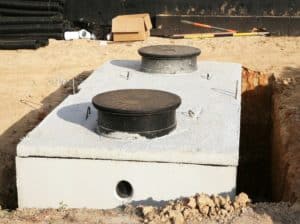
Topics covered in this 6 to 8 hour confined spaces in construction class include:
- Overview of OSHA's permit-required confined space entry standards for construction
- OSHA definitions of key terms
- Health and safety hazards associated with confined space work
- Competent person requirements to identify which confined spaces are permit-required
- OSHA requirements for reclassification of permit spaces to non-permit status
- OSHA's alternate entry procedures for entering select permit-required confined spaces
- Signage requirements for confined spaces at construction sites
- Elements of a written confined space entry program
- Requirements for the permitting process and the entry permit
- Duties of authorized entrants, attendants, the entry supervisor, and the Competent Person
- Coordination of information among entry employers, controlling contractors, host employers, and other entities
- Confined space rescue requirements
- Personal protective equipment (PPE) requirements
- Identifying and evaluating atmospheric hazards
- Confined space ventilation techniques
- ... and more
Request a Proposal for an On-Site Confined Space Training Class
OSHA Required Confined Space Training
Any time employees enter permit-required confined spaces – whether it’s a new construction project, a major renovation, or a demolition site – OSHA requires training. Federal standards (1926 Subpart AA) and state rules like California Title 8 CCR 1951–1956 make it clear: affected general contractors and subcontractors must have a confined space entry program, including proper training for all employees involved in confined space entry operations.
Who needs this training?
Competent Persons who evaluate confined spaces
Entrants, attendants, and entry supervisors involved in confined space entry operations
General contractors and host employers with responsibility for coordinating safety under OSHA’s standard
No prerequisites are needed to attend our construction-focused confined space training.
Get On-Site Training for Your Team. Keep your crew safe and compliant. Click the button below to request a proposal for an on site confined space for construction training class for your group.
Request an On-Site Confined Spaces in Construction Training Proposal
Frequently Asked Questions – Confined Space Training for Construction Sites
Is confined space training required for construction workers?
OSHA requires confined space training for all construction workers involved in confined space entry operations before they perform assigned duties. Authorized entrants, attendants, entry supervisors, and the competent person must be trained to recognize hazards, monitor atmospheric conditions, follow entry procedures, respond to emergencies, and understand rescue requirements. Training must be completed before entry begins and updated whenever site conditions or hazards change.
What does OSHA require confined space training to cover in construction?
OSHA-required confined space training must cover identification of confined spaces, evaluation of permit-required hazards, proper use of atmospheric monitoring equipment, entry and permit procedures, communication between team members, emergency response actions, and coordination with rescue services. Training must be appropriate to the worker’s assigned role and the conditions present on the construction site.
Who must receive confined space training on a construction site?
Any worker assigned a role in confined space operations must be trained. This includes the competent person who identifies and evaluated confined spaces, authorized entrants who enter a permit space, attendants who monitor conditions outside the space, and entry supervisors who oversee and authorize entry. Employers are responsible for ensuring that each employee receives training specific to their duties.
How do I know if I have a permit-required confined space on my job site?
A permit-required confined space is a confined space that contains, or has the potential to contain, serious hazards such as a hazardous atmosphere, oxygen deficiency, engulfment hazards, inwardly converging walls, sloped floors, or other recognized safety or health hazards. On construction sites, these hazards are often missed due to changing conditions, work sequencing, or incorrect assumptions based on prior experience. Our confined space training addresses these nuances and common classification mistakes to help ensure spaces are properly evaluated before entry.
Is refresher confined space training required in construction?
Refresher confined space training is required whenever job conditions change, new hazards are introduced, procedures are revised, or when an employee’s actions indicate that retraining is necessary. OSHA expects training to remain current and aligned with actual site conditions throughout the project.
Is confined space certification required for construction workers?
There is no such thing as a formal OSHA license for confined space work. But OSHA does require employers to certify and document all confined space training. This documentation, often referred to as confined space certification, verifies that each worker has been trained, understands their assigned role, and is competent to perform confined space duties safely. Training records should include the employee’s name, training date, trainer, and the subject matter covered, and must be maintained as proof of compliance.